Do-It-Yourself-1: Building Our Multiplication Model: Equal Groups!
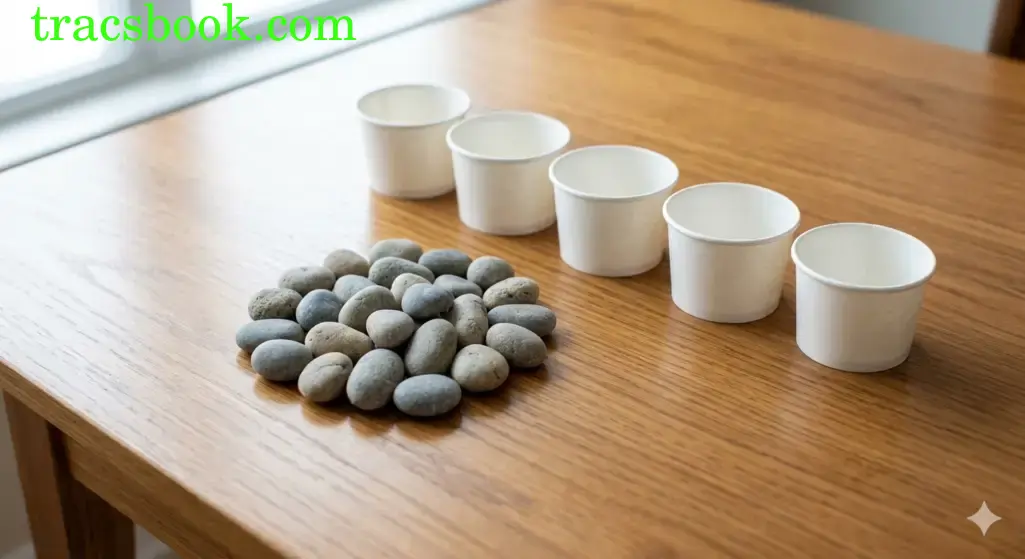
Hello everyone! Today, we’re going on an exciting journey to explore how multiplication works. We’re going to start by building a hands-on model using everyday items. This will help us see and feel exactly what multiplication means. Are you ready?
To begin, you will need to gather a few simple things. Look around your home or classroom for:
- **10-15 small, identical items:** These could be small pebbles, buttons, LEGO bricks, dried beans, pasta pieces, or even coins. Just make sure they are similar in size.
- **5 small containers or drawing areas:** These could be small paper cups, saucers, small bowls, or you can simply draw 5 circles on a piece of paper.
Once you have your materials, arrange your containers/circles in a line in front of you. These will represent our “groups.” Our small items will be the “objects in each group.”
Build your own model and get ready to discover!
Do-It-Yourself-2: Exploring Equal Groups: An Example
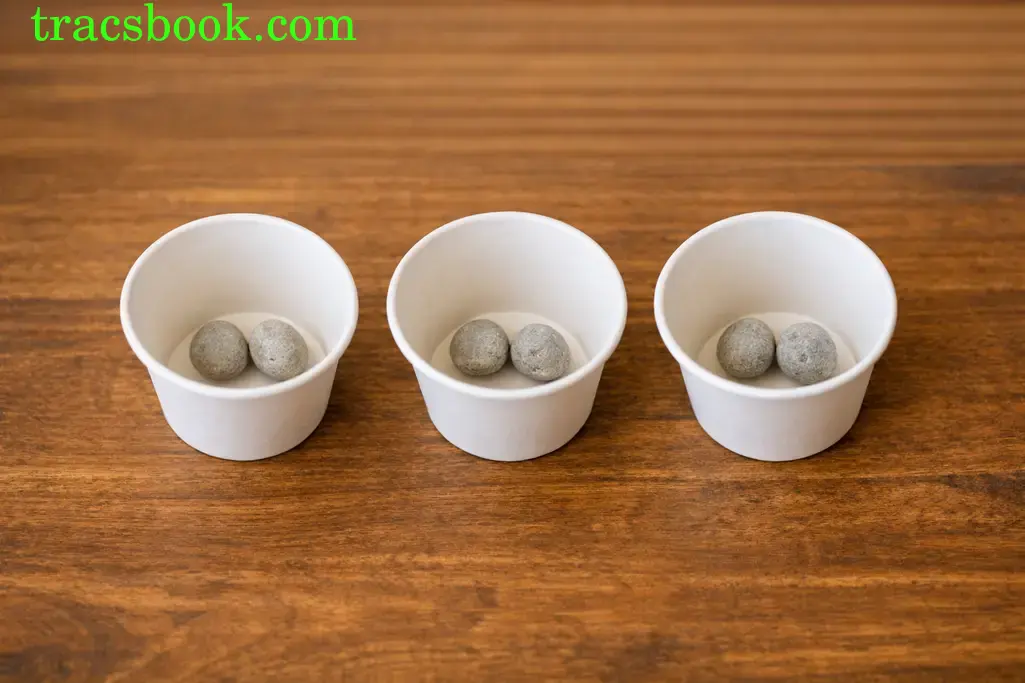
Now that you have your materials ready, let’s try our first example. Imagine you have 3 friends, and you want to give each friend 2 cookies. How many cookies do you need in total?
Let’s use our model to figure this out:
- Pick up 3 of your small containers or point to 3 of your drawn circles. These represent your 3 friends, or **3 groups**.
- Now, carefully place 2 of your small items (our “cookies”) into *each* of the 3 containers/circles. Make sure each one gets exactly 2.
- Count all the items you have placed in the containers/circles. Count them one by one.
What did you find? You should have counted 6 items in total!
This is the same as adding 2 + 2 + 2 = 6. You have 3 groups of 2, and the total is 6.
Do-It-Yourself-3: Another Example: More Equal Groups
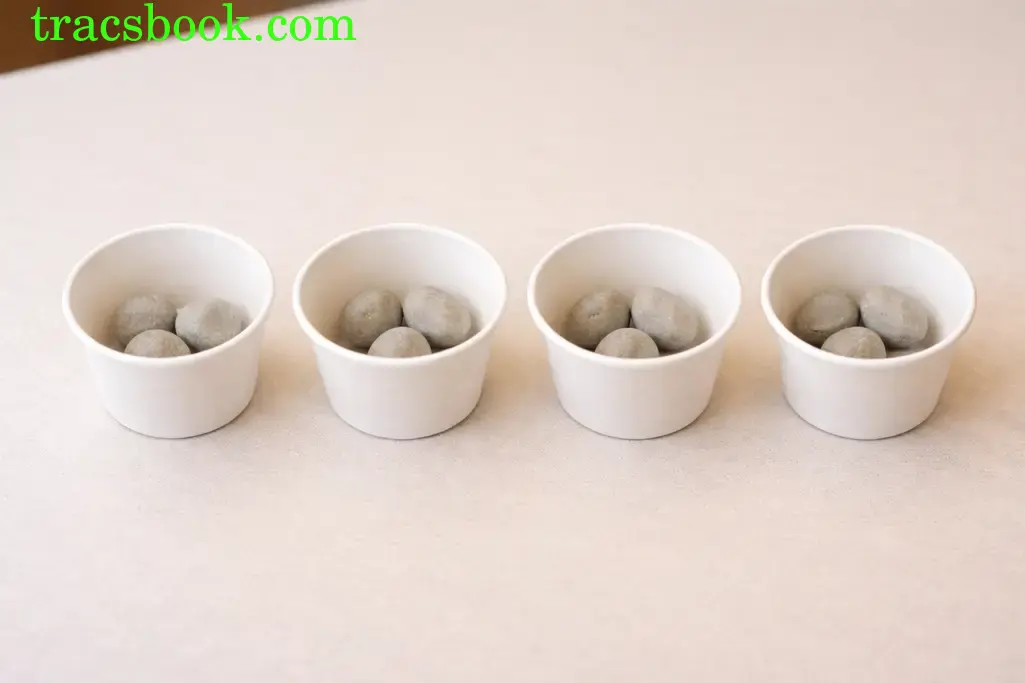
Let’s try another one to really solidify this idea. This time, let’s imagine you have 4 flower pots, and you want to plant 3 seeds in each pot. How many seeds do you need altogether?
Use your materials again:
- Select 4 of your small containers or use 4 of your drawn circles. These represent your 4 flower pots, or **4 groups**.
- Now, place 3 of your small items (our “seeds”) into *each* of the 4 containers/circles. Be precise!
- Once all the items are placed, count them all up. What is your total?
You should have 12 items! This shows us that 4 groups of 3 items give us a total of 12.
Think about it: 3 + 3 + 3 + 3 = 12. We repeatedly added the number 3, four times.
Design-It-Yourself-1: Transition to Visuals: Drawing Our Groups
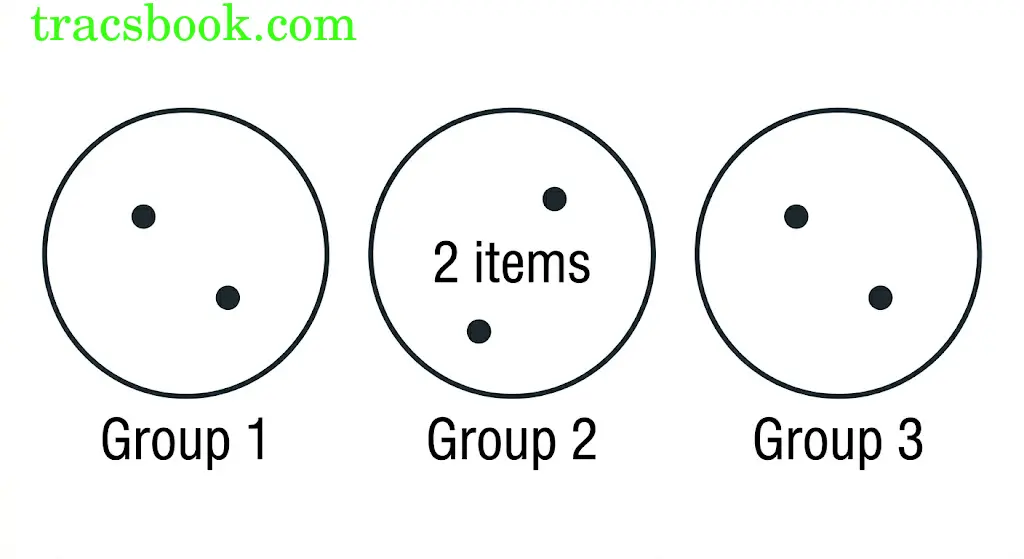
Fantastic work with the physical models! Now, let’s take what we learned and transform it onto paper. This is the Pictorial Phase, where we turn our hands-on experience into visual drawings. We’ll use simple shapes to represent our groups and items.
To visually represent “3 groups of 2,” you can draw:
- **Circles for Groups:** Draw 3 distinct circles. These represent our containers or groups.
- **Dots for Items:** Inside each circle, draw 2 small dots or crosses. These represent the items (like pebbles or cookies) in each group.
- **Clear Separation:** Make sure there is clear space between each group so you can easily see them as separate entities.
This visual helps us count the total more easily, and we can still see the repeated addition, even without physical objects.